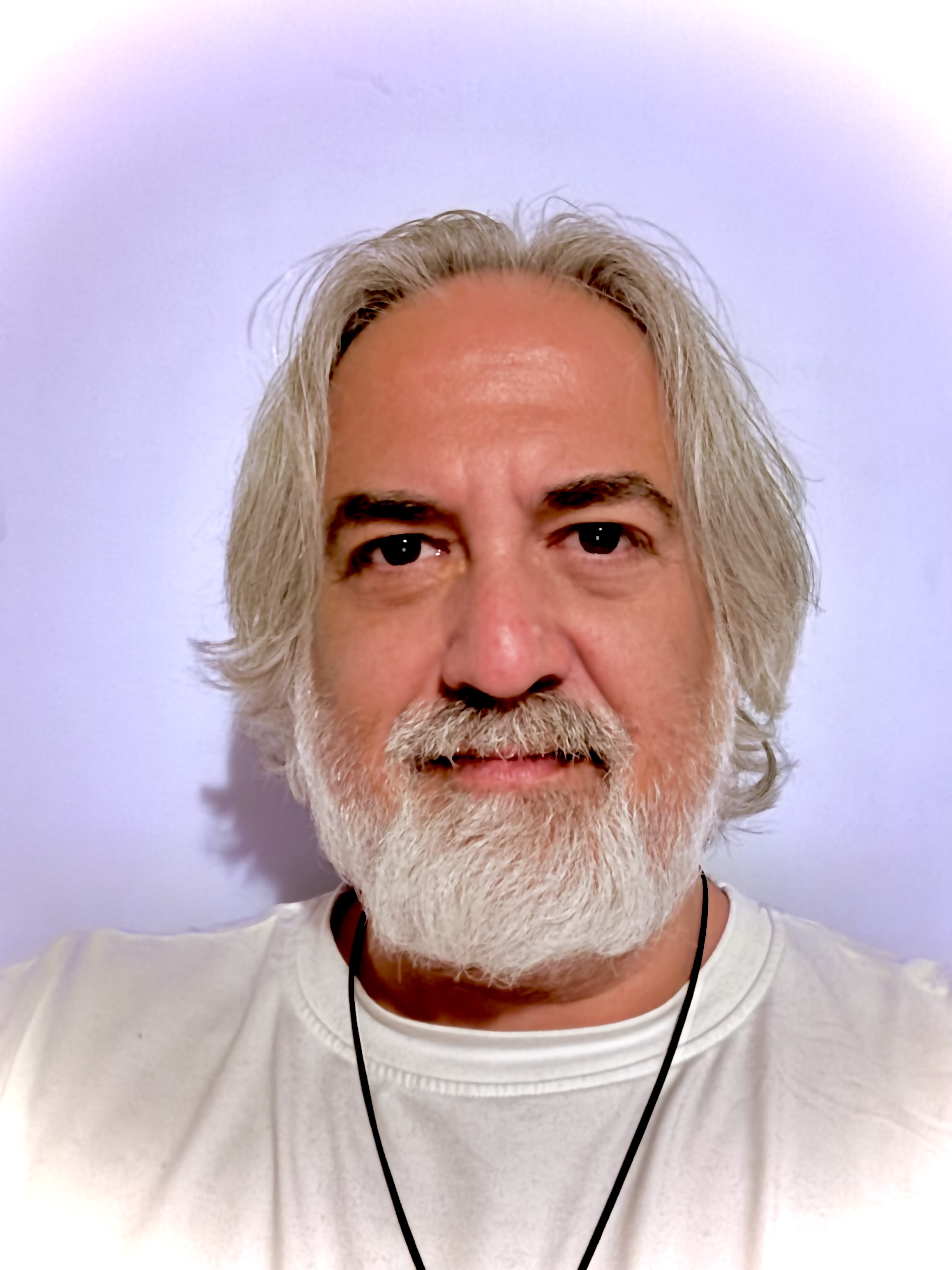
I've spent my career solving problems by listening first and building second. Now I want to bring that same approach to Woodstock — starting with the issues that matter most to the people who live here.
Aaron Gorlick is running for Mayor with a simple promise: plans built from what Woodstock residents are actually telling the city.
Before we can build and grow, we need to listen and plan. Aaron has spent his career leading teams through careful communication and collaboration, and he wants the input of as many residents as possible.
Understanding within council and between the city and its residents is key to moving forward and planning for the growth we are seeing. We will create a more robust channel for city hall to communicate with its constituency through Aaron's years of software delivery experience, enabling the design for an app so that citizens can let council know the issues that are close to mind, and the city can let the citizens know important information, like service schedules, dangerous weather, or any other important public messaging. Everything starts with listening and communicating effectively.
We need a deep analysis on this, a committee assigned to assess all things related. This includes mental health considerations, back-to-work programs, promise to seek provincial and federal support and other city councils across Ontario to unify on this growing and pervasive concern. Creating a sense of community is important to all residents whether they are suffering from disadvantage or not. The concept of "Housing First" within therapeutic communities has proven the most effective to combat all three, so we will look into creating that community with the help of the province in a central place that can be accessed by surrounding municipalities, including Woodstock.
We will Increase and expand on venues and event spaces. This includes providing a deep analysis on current and proposed facilities (like the rec center), acknowledging the need for more swimming spaces and other athletic venues. Live theatre, conference space - all on this is on the table, and there would be benefit in considering a consolidated build that addresses more than one need at once, which both saves cost and adds value.
This isn’t just the cost of accommodations - it's groceries and everything else that makes up day-to-day expenses. By focusing on farmer’s market and other farm-to-table expansions and partnerships, building out Solar capabilities to get us away from the growing cost of Hydro One, and getting a handle on the budget to ensure that taxes are spent in the right places, we can give a solid effort at reducing some of these day-to-day costs. This puts money in our pockets, food on our tables, and stimulates our local economy. This is the way we grow together and thrive.
This is a promise to take a deep dive into both intercity and intracity transportation. Not everyone drives, so this needs be an all-inclusive analysis. This isn't just about roads - it's about diving into everything that connects our community within, and everything that connects us to surrounding cities and townships, such as Guelph, Stratford, Brantford and more. Done right, this does not have to cost the city. There are many examples in the world where the city owns and develops the real estate around busy transit corridors. This leads to a profit positive transit system through leaseholds and other revenue streams.
Our population may reach 200,000 in only 25 years. Even today, our youth have no place to go in Woodstock for University. There are only 150 places for students at Fanshawe College, so what happens? The kids move away, and often their parents move away to follow them. In the short term, strong partnering on sciences with universities like Guelph - especially on agricultural and other farmland convenient subjects - will lead to a strong and sustained Woodstock population. A long term goal would be to have a university of our own.
This is the number one question received, and it's simple. My children grew up here. I want to see them form families and be close to me, and I love it here. I want to help make this city all that it can be for them and for all residents of Woodstock.
I believe that efficient public transportation is vital for the community. This is true for intercity and intracity transportation. More and more people are commuting between Woodstock and places like Guelph or Kitchener. Express connection to these cities is a vital part of growth, as is the full analysis of existing internal routes and their effective use.
I've done quite a bit of research on this. It's a complex problem, and it should not be looked at in isolation of mental health and addiction considerations. Using what's called the "Housing-First" approach, and in collaboration with the Province, the candidate promises to explore the creation of a centralized community that will help individuals transition into stable living conditions and ultimately reintegrate into the society around them. This isn't just about Woodstock - the problem exists everywhere in Ontario. It's up to all of our communities to pool together our resources and create a safe place in which all of us will thrive. People are afraid to walk with their children downtown. That is a problem that needs to be fixed.
There are foundations that need to be in place before any planning of growth can occur. We need to start with improving communications both within city council and between the city and its residents. Only then, when we start listening and understanding each other, can we hope to move forward together, united with purpose. Investing in community programs that support education and job training, especially for the disenfranchised, will ensure that all residents have access to opportunities. I'm committed to increasing transparency in local government operations, and enabling the people to both get involved and gain confidence in the workings of the city around them.